
Research house producing tailored, actionable insights and resources in the Middle East.
More on our approach to actionable research.
Research
Data-driven research based on our guiding principles of purpose, transparency, and learning.
Data Analysis
Providing tailored data collection and analysis services for decision-makers.
Data Visualisation
We use digital methods to communicate and visualise complex phenomena.
Advisory
Framework-based approach to advisory for public and private institutions.
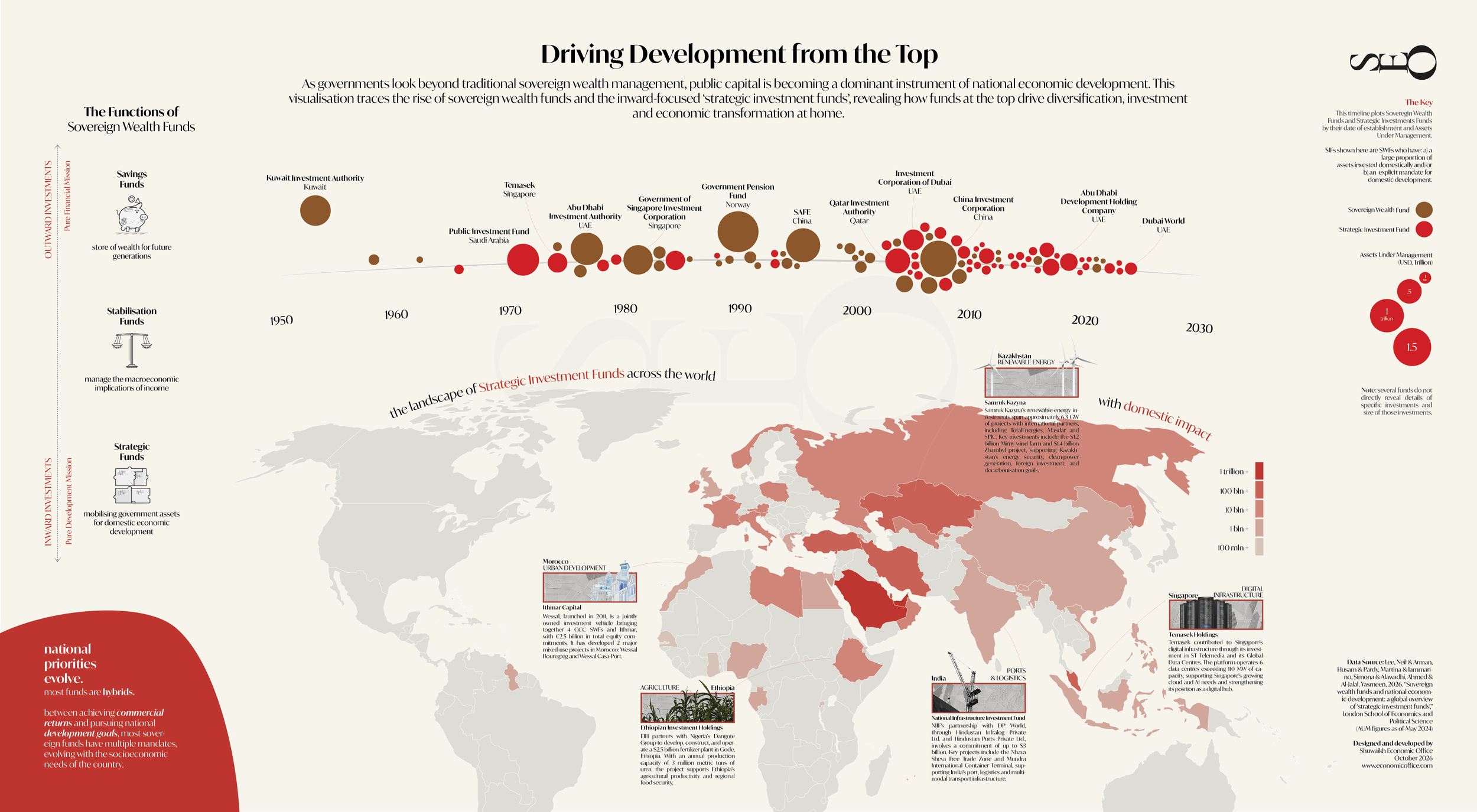
Explore our latest visualisation.
Driving development from the top.
view the full visual here
Research
As governments look beyond traditional sovereign wealth management, public capital is becoming a dominant instrument of national economic development.
As governments look beyond traditional sovereign wealth management, public capital is becoming a dominant instrument of national economic development.

A profile of leading banks in the United Arab Emirates.
Following the positive reception of our Kuwait banking visualisation, we explore the UAE. A measured balance between Abu Dhabi and Dubai further solidified by more recent M&A activity.

Data and development are not mutually exclusive. The foundation for statistical collection and dissemination plays a vital role in development efforts, from planning to monitoring and assessing. The more ambitious a country’s development plans are, the more complex are the statistical systems required.
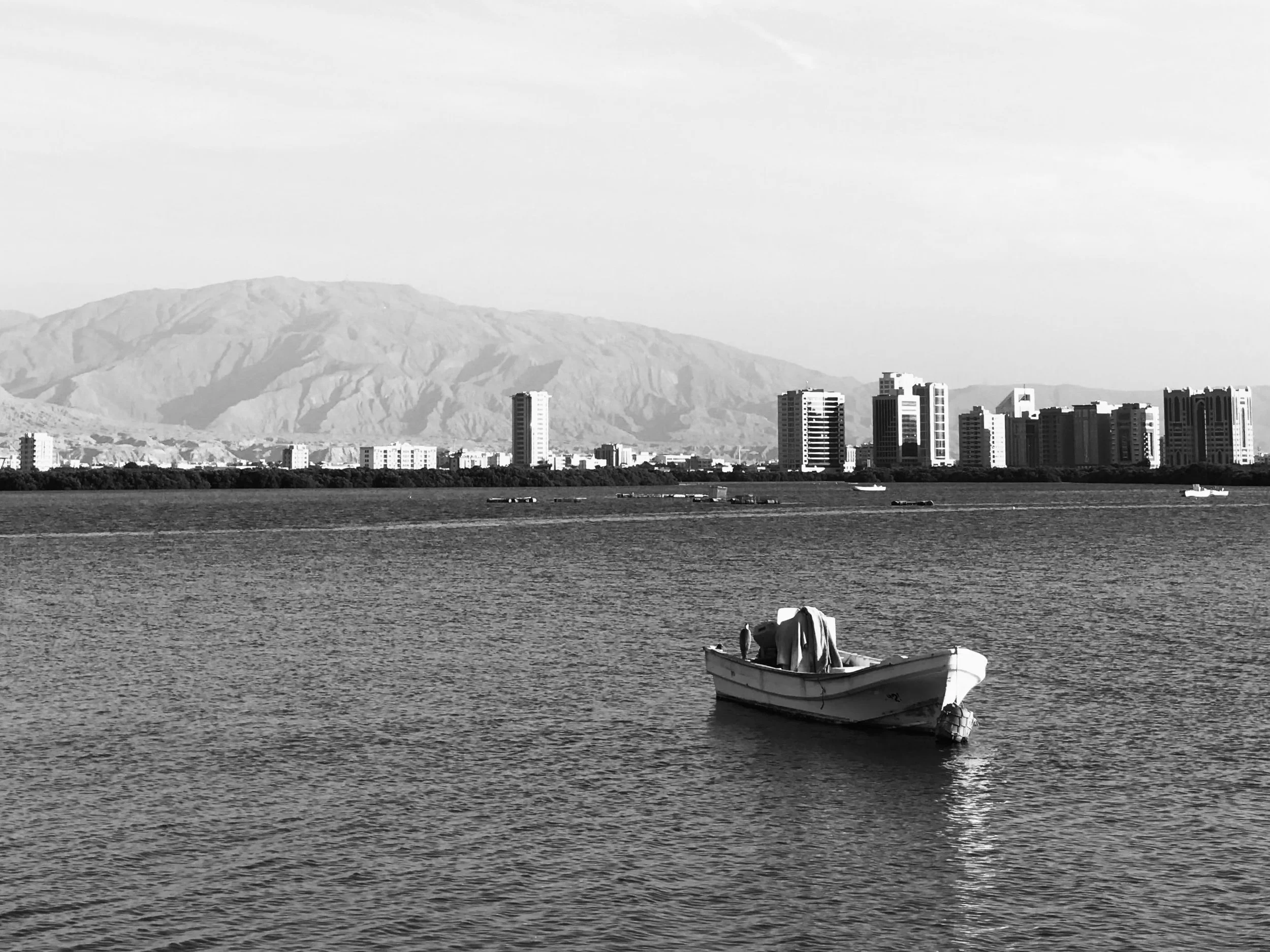
Why do the Swiss specialise in watchmaking, Japanese in denim or electrical equipment, and software in Silicon Valley? These are all examples of complex economic areas, but what makes them so?

The theory of Economic Complexity (EC) can be defined as the systems of knowledge and interactions which make up a country’s productive output. The Organisation for Economic Complexity (OEC) describes it best: “complex products, like medical imaging devices or jet engines, require vast amounts of knowledge that can only be accumulated in large networks of people”. In turn, the EC in such large networks requires a seemingly indefinite web of interactions between institutions, societies, and education among all else to contribute to the development of the economy.

As of 2019, Kuwait is a net exporter of goods, however, without oil, its surplus of KD 9.3bn drops to KD -8.5bn, making it a net importer. Kuwait’s trade profile is relatively simple, as crude petroleum and its related products make up almost the entirety of exports, which in turn affect total trade, irrespective of minor fluctuations in imported goods. This research structures the data on trade in Kuwait and takes a closer look at its evolution between 2010 and 2019. It begins with an overview of the trade balance, then focusing on imports and exports, and analysing China’s trade relationship with Kuwait. The evidence reveals the vulnerability of trade to fluctuations in one good, petroleum and its by-products, as well as the strengthening trade flows between the Gulf state and China. The findings have implications for trade policy and, more importantly, for diversification efforts.
Sign up for access to research and data.
News

Celebrating Five Years of the Shuwaikh Economic Office: The key to unlocking deeper insights.
As Shuwaikh Economic Office (SEO) marks its five-year anniversary, it stands as a testament to the power of data-driven decision-making in the Middle East. From its inception, SEO has been committed to delivering tailored, actionable insights that empower businesses, governments, and academic institutions across the GCC. This milestone not only reflects half a decade of impactful work but also heralds a new chapter with a refreshed brand identity.
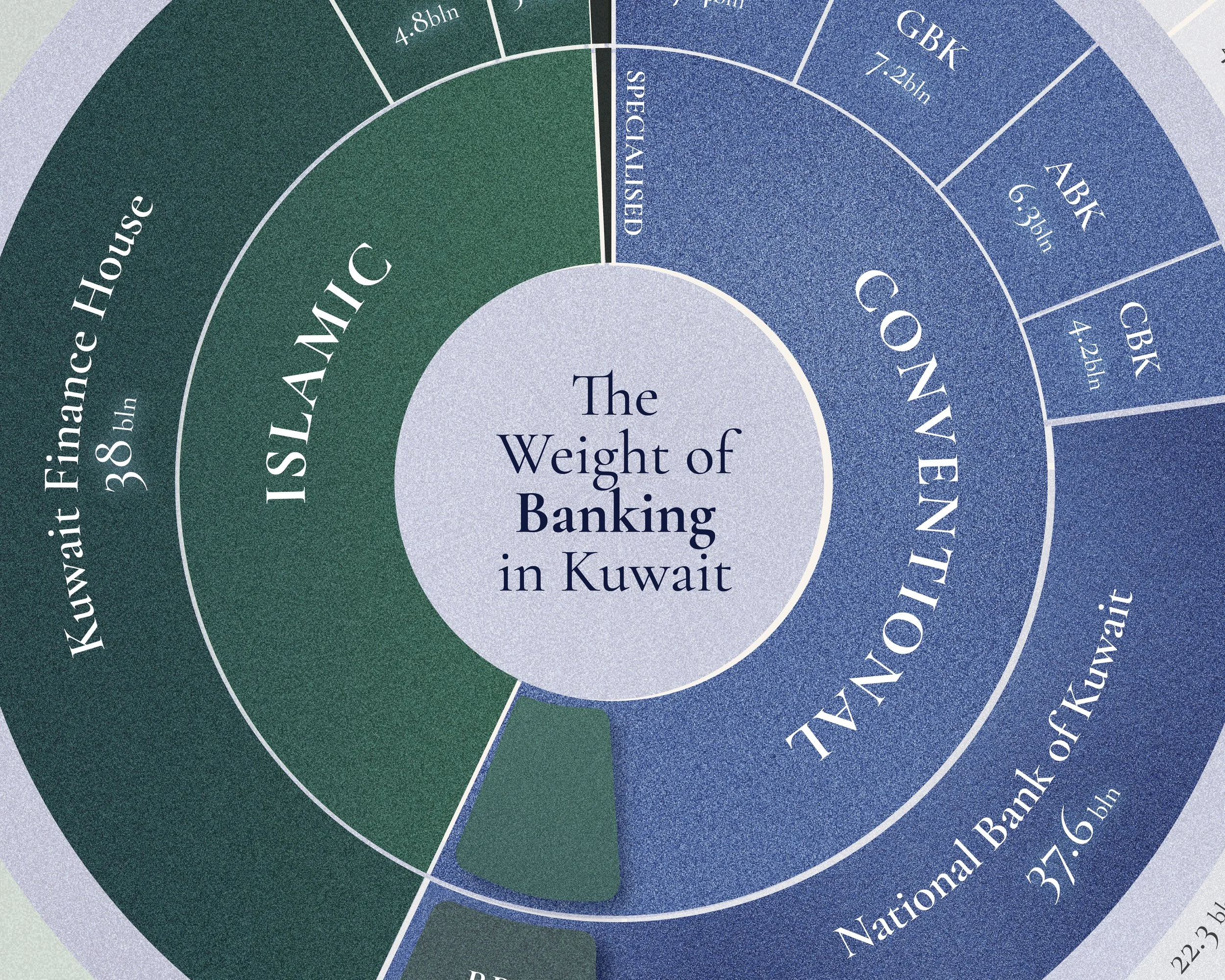
Commercial banks are usually sized according to total assets value. A bank’s assets range in composition from cash, investments, land and property, goodwill, and most importantly financing receivables (loans). This visualisation helps us understand the profile of banks in Kuwait according to size and credit activity in 2023.

Data and development are not mutually exclusive. The foundation for statistical collection and dissemination plays a vital role in development efforts, from planning to monitoring and assessing. The more ambitious a country’s development plans are, the more complex are the statistical systems required.